
An NMN supplement can raise blood levels of nicotinamide adenine dinucleotide (NAD+) or related metabolites in some short human trials. It has not been shown to slow human aging or extend lifespan. A sound decision therefore depends on realistic goals, the studied doses, safety limits, and evidence that the finished product matches its label.
What Is NMN, and How Does It Support NAD+?
Nicotinamide mononucleotide (NMN) is a molecule your body can use to make NAD+. NAD+ helps cells transfer energy from food and serves as a substrate for enzymes involved in DNA repair and cell signaling. NMN is a precursor, not the same substance as the NAD+ that cells ultimately use.
Oral NMN has shown biochemical activity in people. In a randomized trial of 30 healthy adults, 250 mg daily for 12 weeks increased whole-blood NAD+ compared with baseline and produced no obvious treatment-related adverse effects. The study was small, one participant in the placebo group withdrew, and several authors worked for the company that supplied the test material. Those limits matter when interpreting the 12-week human trial.
Raising a biomarker is not the same as proving a longer or healthier life. NAD+ is involved in normal cell biology, but a higher blood measurement does not establish the same change in every tissue. It also does not prove an improvement you can feel.

What Human NMN Research Actually Shows
The clearest repeated finding is biochemical: oral NMN can increase circulating NAD+ or related metabolites over several weeks. Functional and metabolic results are less consistent, and no completed human trial has shown that NMN extends lifespan.
NAD+ Markers Respond More Consistently Than Health Outcomes
One 60-day trial assigned 80 healthy middle-aged adults to placebo or 300, 600, or 900 mg daily. Blood NAD increased in all NMN groups, while some walking and questionnaire results also favored NMN. The trial was short, used a per-protocol analysis, and included industry affiliations, so it cannot establish a lasting healthy-aging benefit. Review the dose-dependent clinical trial in that context.
A separate 10-week trial used 250 mg daily in 25 postmenopausal women with prediabetes who had overweight or obesity. Muscle insulin sensitivity improved, but several other outcomes did not. This specific metabolic finding should not be generalized to healthy adults or treated as proof that NMN prevents or treats diabetes.
Healthy Aging Claims Remain Unproven
Short trials have reported isolated changes in walking, sleep, insulin sensitivity, or muscle measures. Other trials and pooled analyses have found null results for important outcomes. A 2025 meta-analysis found no significant benefit from NMN or nicotinamide riboside for muscle mass, grip strength, gait speed, or chair-stand performance in older adults. The pooled muscle evidence remains inconclusive rather than uniformly positive.
The practical conclusion is modest. NMN is an active NAD+ precursor with early human data, but current evidence cannot support promises of reversed aging, guaranteed energy, sharper cognition, or longer life.
What NMN Doses Have Human Trials Studied?
Human studies have tested a wide range, commonly 250 to 900 mg daily for several weeks. One short high-dose safety study used 1,250 mg daily for four weeks. These studies involved different populations, durations, and outcomes, so their doses cannot be combined into a universal rule.
A studied amount is not automatically a recommended amount. No authoritative US body has set a recommended daily intake or tolerable upper limit for NMN. The focused guide to evaluating an NMN 500 mg dose owns the detailed dose comparison and explains why a common label amount is not proof of an ideal starting point.
Is NMN Safe and Lawful in the United States?
Current evidence supports cautious short-term tolerability in the studied adult groups. It does not establish safety for years of use, rare adverse effects, every medical condition, or pregnancy and breastfeeding.
Short-Term Safety Does Not Set a Lifetime Limit
Most human interventions lasted four to 12 weeks and enrolled relatively few participants. Those designs can identify common short-term problems, but they are poorly suited to detect rare, delayed, or population-specific harms. Ask a qualified clinician before use if you are pregnant or breastfeeding, have cancer or a cancer history, or have advanced liver disease. Do the same if you use prescription medicines or are considering high-dose long-term use. This caution is consistent with current clinical guidance on NAD precursors.
Stop using a product and seek medical advice if new symptoms appear. Report serious supplement-related reactions through the contact on the label and the FDA adverse-event system.
FDA Status Changed in 2025
FDA concluded in 2022 that NMN was excluded from the dietary supplement definition because of prior drug investigation. In its September 2025 citizen-petition response, FDA changed that interpretation after finding that NMN had been marketed as a supplement before the relevant drug authorization. The current FDA response on NMN states that NMN is not excluded on that ground.
That decision is not product approval. FDA generally does not approve dietary supplements for safety or effectiveness before sale, and manufacturers remain responsible for lawful labeling, manufacturing, and claims. The agency's dietary supplement questions and answers explain this distinction.
How to Judge NMN Product Quality
A useful quality check separates the ingredient claim from the finished product. A raw-material purity percentage does not prove the amount in each capsule, contaminant control, stability through expiration, or a health outcome.
Use this sequence when comparing an NMN supplement:
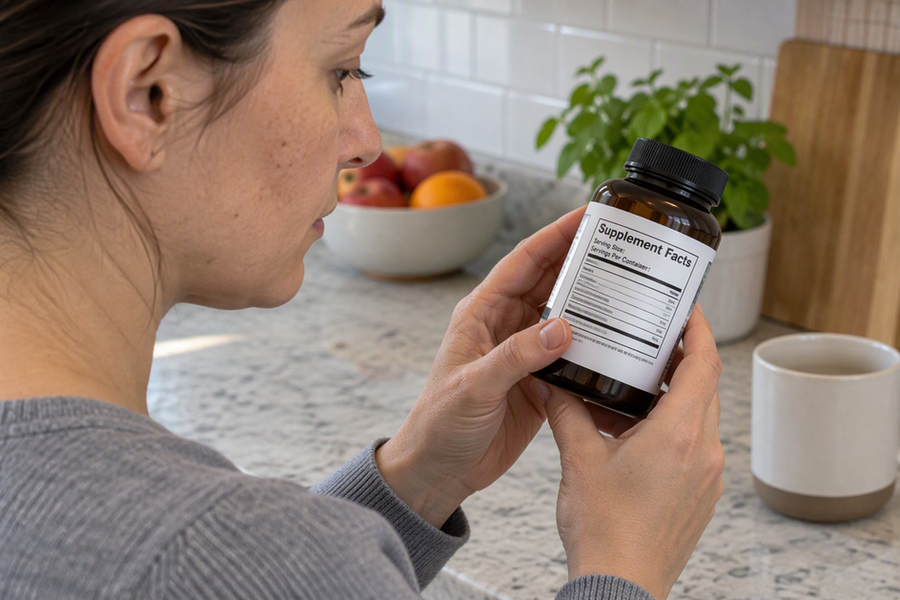
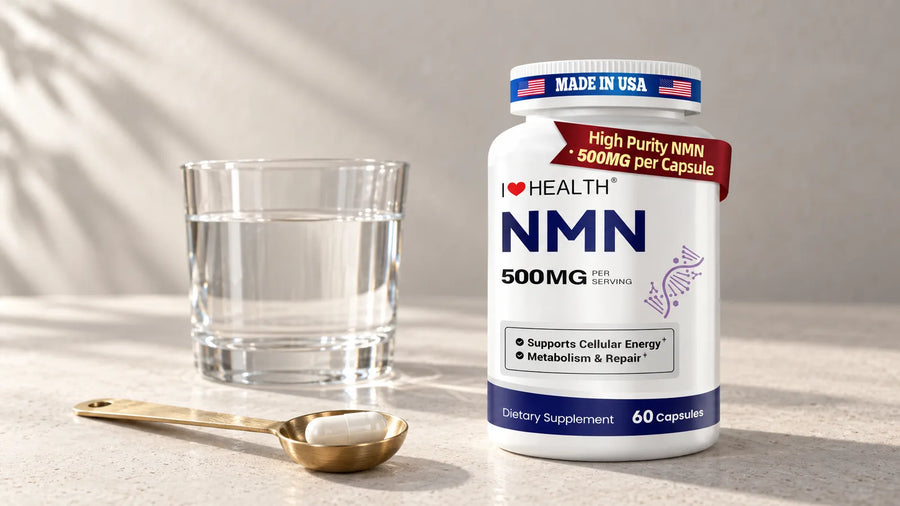
- Read the serving size and amount per serving. Our 500 mg NMN capsule lists 500 mg per capsule, while our 1,000 mg NMN serving uses two capsules. Those are different label statements.
- Verify identity, potency, and contaminants. A batch-specific certificate should identify the product or lot, laboratory, methods, dates, results, and acceptance limits. Our batch Transparency Program provides access to available product and laboratory information by QR code.
- Distinguish facility registration from product certification. NSF explains that GMP registration applies to a facility, while finished-product certification involves separate testing and review. A product made in an NSF cGMP-certified facility is not automatically NSF product certified.
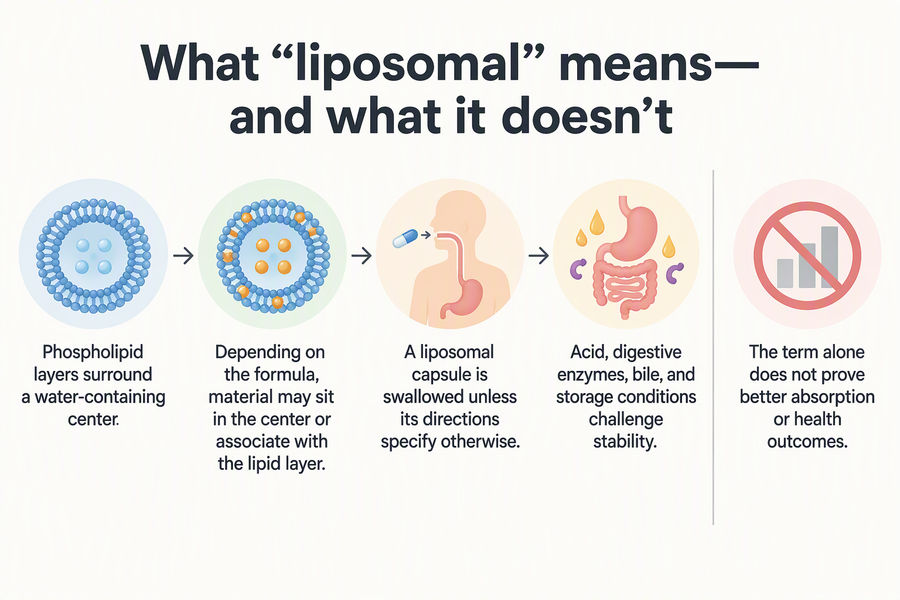
- Compare formula type before comparing milligrams. Our liposomal NMN blend combines liposomal and standard beta-NMN in a 500 mg blend. That total is not interchangeable with 500 mg of a single ingredient. The explanation of what liposomal delivery means provides useful format context, but direct human absorption evidence for a specific NMN formula is still needed.
Independent testing matters because label accuracy varies. An analysis of 18 commercial NMN products found meaningful differences between some label claims and measured contents. The NMN product-content analysis supports checking the finished batch rather than relying on a front-label purity claim alone.

Choose Evidence Before Expectations
NMN can affect NAD-related biomarkers, but healthy-aging benefits remain uncertain. Check whether the dose matches human evidence, whether the finished batch has credible documentation, and whether your health history changes the risk. A careful decision protects you from both exaggerated promises and the assumption that a higher dose must work better.
NMN Supplement Frequently Asked Questions
Q1. Do Younger Adults Need NMN?
Not necessarily. Human NMN research has focused largely on middle-aged or older adults and selected metabolic groups. It has not established a deficiency threshold or routine need in healthy younger adults. Sleep, exercise, diet, and medical causes of fatigue deserve attention before a supplement is used as a shortcut.
Q2. Is NMN the Same as Niacin?
No. NMN and niacin compounds all participate in vitamin B3 and NAD metabolism, but they are different molecules with different evidence, labeling, and dose considerations. Do not apply the recommended intake, upper limit, flushing risk, or prescription uses of one form directly to another.
Q3. What Time of Day Should You Take NMN?
No well-established human evidence identifies a best time of day. Follow the product directions and choose a consistent time that fits your routine. If use seems to affect sleep, digestion, or another symptom, stop or adjust only after discussing the response with a healthcare professional.
Q4. Can NMN Be Combined With Other Supplements?
It depends. A combination may add ingredients, doses, and risks that were not tested in single-ingredient NMN trials. Review the full Supplement Facts and other ingredients, avoid accidental duplication, and ask a pharmacist or clinician to check the complete routine when you use medicines or manage a condition.
Q5. How Long Should You Try NMN Before Reassessing?
There is no validated trial period for personal benefit. Most published human interventions lasted four to 12 weeks, so they do not justify indefinite use. Set a specific goal, avoid treating feelings alone as proof, and reassess cost, symptoms, medicines, and the need for continued use with a clinician.
Disclaimer
This content is for general educational purposes and is not medical advice. Dietary supplements are not intended to diagnose, treat, cure, or prevent disease. Ask a qualified healthcare professional before use when health conditions, pregnancy, medication, or dose concerns apply.