
Albion magnesium is different because the name identifies a specific ingredient source, chelation process, and quality system. That added traceability can help you assess what is inside a supplement.
It does not, by itself, prove that every finished product absorbs better, works better, or meets the same quality standard.
What Does the Albion Name Mean?
Albion Minerals, part of Balchem, makes a family of branded magnesium ingredients. Its best known forms use TRAACS®, short for The Real Amino Acid Chelate System. In magnesium bisglycinate, one magnesium ion is associated with two glycine molecules. Glycine is an amino acid that acts as the mineral's organic carrier.
The word branded matters because it points to an identified supplier and a defined ingredient specification. A generic label such as “magnesium glycinate” identifies a form, but it may not tell you who made the raw material, which process was used, or how the claimed chelate was verified.
Balchem uses Fourier transform infrared spectroscopy to confirm the bonds that define its fully reacted chelates. This analytical method examines a material's infrared pattern and can help distinguish a reacted chelate from a simple mixture of magnesium and glycine.
The manufacturer's mineral chelation process therefore adds an ingredient identity check that a generic name alone cannot provide.
Our Albion TRAACS magnesium glycinate identifies the branded source on the product page and gives the elemental magnesium amount separately from the compound weight. That distinction is essential when comparing doses.

Why Do Branded Mineral Ingredients Matter?
A branded ingredient can make a supplement easier to trace and evaluate. Buyers can connect the ingredient name to a supplier, technical specification, manufacturing method, and supporting documentation. This is more useful than a front label phrase that cannot be tied to a defined raw material.
The name also supports accountability across the supply chain. If the bottle identifies TRAACS, the finished product manufacturer should be able to show purchase records and documentation that match that branded ingredient. A trademark is not the evidence itself, but it creates a specific claim that can be checked.
Branded sourcing does not replace finished product controls. The raw material still has to be received correctly, stored properly, measured accurately, combined with suitable excipients, and tested as appropriate.
The U.S. Food and Drug Administration requires dietary supplement manufacturers to establish specifications for identity, purity, strength, composition, and relevant contamination limits under dietary supplement manufacturing rules.
For that reason, ingredient quality and finished product quality answer different questions. The first asks whether the expected raw material was used. The second asks whether the capsules in your bottle meet their complete specifications.

What Does Chelation Try to Improve?
Chelation is designed to keep a mineral associated with an organic carrier as it travels through digestion. For magnesium bisglycinate, glycine forms that carrier. The intended advantages include greater stability, fewer unwanted interactions in the digestive tract, and good gastrointestinal tolerance.
Chemical form matters because magnesium compounds do not all dissolve and absorb in the same way. Forms that dissolve well in liquid tend to be absorbed more completely than less soluble forms. Several soluble magnesium salts have also shown better bioavailability than magnesium oxide in small studies.
The NIH magnesium fact sheet does not rank every commercial chelate or guarantee a result for one branded ingredient.
Evidence specific to magnesium diglycinate is limited and should be read carefully. A randomized crossover trial involved 12 people who had undergone intestinal surgery. Overall absorption did not differ significantly between the chelate and magnesium oxide, although the chelate performed better in four participants with the greatest absorption difficulty and was better tolerated by all participants.
The magnesium diglycinate trial cannot establish universal superiority because it was small and studied a specialized group.
This is the sound conclusion: chelation provides a defined delivery design with plausible and measured advantages, but the result depends on the exact ingredient, dose, formulation, person, and outcome tested.
Albion and Generic Magnesium: What Can Be Claimed?
The strongest difference is verification, not a blanket promise of better health results. Albion magnesium identifies a controlled ingredient system, while generic magnesium glycinate may come from different suppliers using different specifications and analytical methods.
Reasonable conclusions include the following:
- Albion TRAACS identifies a specific supplier and chelation system.
- Balchem offers both original and buffered magnesium bisglycinate ingredients, so the exact form still matters.
- A fully reacted claim addresses molecular identity, not the total elemental dose in a capsule.
- A finished product needs its own manufacturing and quality evidence.
Claims that go further need direct support. A trademark does not prove that every finished supplement has higher absorption than every generic product. It does not establish disease treatment, guarantee freedom from contaminants, or show that the dose is right for every person.
The FDA does not approve dietary supplements for safety and effectiveness before sale, as clarified in its dietary supplement approval guidance.
Buffered status also prevents simple comparisons. Balchem lists original and buffered versions of its magnesium bisglycinate chelate. A buffered version contains additional magnesium oxide, which raises elemental magnesium concentration.
Read our guide to buffered and non buffered magnesium before assuming that all products with the Albion name have the same composition.
How Can You Verify Source and Quality?
Start with the Supplement Facts panel, then follow the evidence back to the batch. A clear evaluation takes five checks.
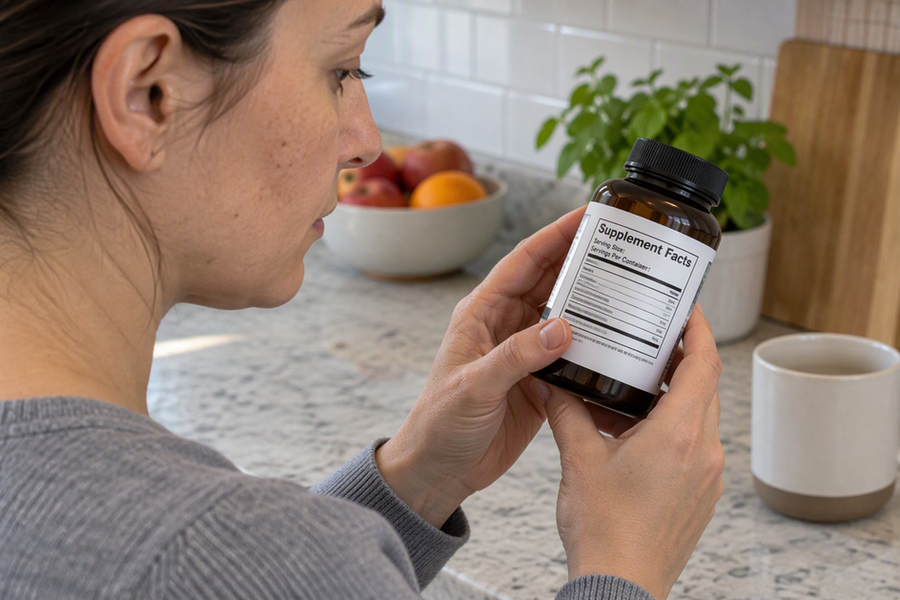
- Confirm elemental magnesium. The amount beside “Magnesium” is elemental magnesium per serving, not the weight of the complete chelated compound. The NIH confirms this labeling distinction.
- Read every magnesium source. Look for magnesium bisglycinate chelate, magnesium oxide, or other forms in parentheses and in the ingredient list. Our guide to bisglycinate and glycinate labels shows why the two names alone do not settle purity, buffering, or dose.
- Match the trademark to documentation. If TRAACS appears on the label, the manufacturer should be able to connect that claim to supplier records. A logo without supporting traceability is weaker evidence than a named ingredient plus accessible batch information.
- Check finished product controls. Look for a lot number, expiration or best by date, manufacturing information, and a certificate of analysis tied to the batch. Our Transparency Program is designed to connect customers with certificates of analysis and related quality documents.
- Interpret third party testing precisely. Ask what was tested, which laboratory performed the work, which methods were used, and whether the report matches your lot. Independent certification can review label claims and contaminants, but a vague “lab tested” statement gives fewer details. Those controls are part of the NSF supplement certification process.
The final choice should also fit your goal and dose. Compare the branded chelate with other formats in our magnesium and sleep support collection.
If a multi-form formula is more suitable, review the declared sources in our 5 in 1 magnesium complex. The branded name should inform the decision, not replace label reading.

A Clear Standard for Comparison
The Albion name offers a meaningful advantage in ingredient identity, process verification, and traceability. Its value is strongest when the finished supplement also provides a clear elemental dose, complete source disclosure, sound manufacturing controls, and batch specific testing.
Judge the named ingredient and the finished bottle as two connected quality layers.
Albion Magnesium FAQs
Is Albion the Same as Magnesium Glycinate?
Not always. Albion is a branded ingredient family, while magnesium glycinate is a general form name. An Albion product may use original magnesium bisglycinate, a buffered version, or another specified chelate. Read the complete source line to identify the exact material.
Does TRAACS Mean the Finished Supplement Is Independently Certified?
No. TRAACS identifies Albion's ingredient system and verification process. It does not automatically give the finished bottle NSF, USP, or another independent certification. Any certification mark should be verified in the certifier's public directory and matched to the exact product.
Can a Certificate of Analysis Confirm Albion Sourcing?
It depends on the document. A finished product certificate of analysis can confirm tested specifications for a batch, but it may not name the raw material supplier. Supplier certificates, purchase records, and traceability documents are needed to connect the finished lot to Albion.
Should Magnesium Be Separated From Antibiotics?
Yes, for certain antibiotics. The NIH advises taking tetracycline and quinolone antibiotics at least two hours before or four to six hours after a magnesium supplement because magnesium can reduce drug absorption. Follow the prescription instructions and ask a pharmacist about your medication.
Does a Higher Front Label Number Mean More Magnesium?
Not necessarily. The front number may represent the total magnesium compound rather than elemental magnesium. Use the elemental amount in Supplement Facts, confirm the serving size, and check whether the product combines glycinate with oxide or another magnesium source.
Disclaimer
This content is for general educational purposes and is not medical advice. Dietary supplements are not intended to diagnose, treat, cure, or prevent disease. Ask a qualified healthcare professional before using magnesium if you have kidney disease, are pregnant, take medication, or have concerns about your magnesium intake.