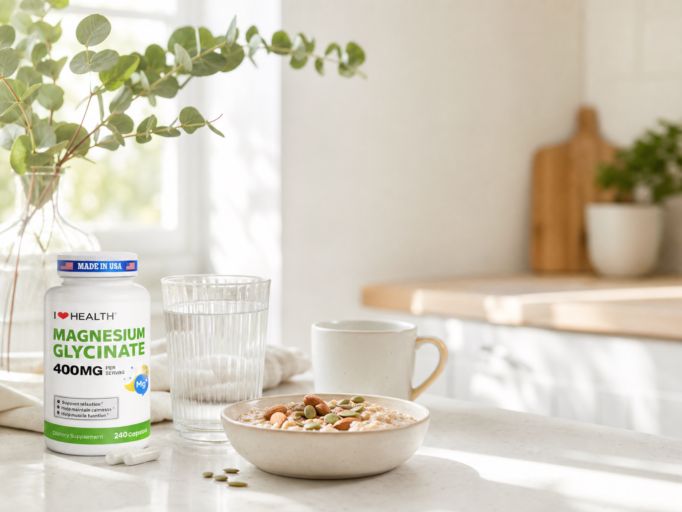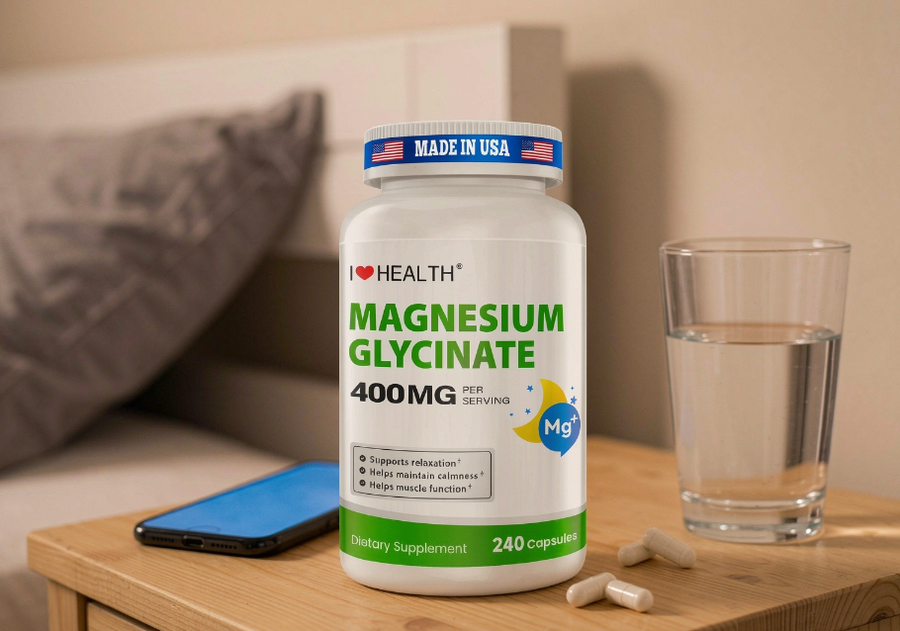

Magnesium glycinate sourced in USA should identify where the ingredient comes from, but the phrase needs clarification. It does not automatically prove the mineral was manufactured in the United States, the supplement was encapsulated here, or the finished batch passed independent testing. Treat origin, manufacturing, and quality as separate claims, then verify each with specific evidence.
Made in USA vs. Sourced in USA: What's the Difference?
The difference is scope. A sourcing statement concerns an ingredient or supply relationship, while a manufacturing statement concerns where the finished product was made. Neither statement should be stretched beyond what it actually says.
The Federal Trade Commission (FTC) applies a high standard to an unqualified Made in USA claim. Final assembly or processing and all significant processing must occur in the United States, and all or virtually all ingredients or components must be made and sourced here. The FTC also expects marketers to have a reasonable basis for the claim, as detailed in its Made in USA guidance.
| Claim | What It Can Tell You | What It Does Not Prove by Itself |
|---|---|---|
| Sourced in USA | A material, supplier, or purchasing step has a stated U.S. connection. The claim should define which one. | That the raw material was manufactured in the United States or that the finished supplement was made here. |
| Manufactured in USA with imported ingredients | Finished-product manufacturing occurred in the United States, with foreign content clearly acknowledged. | That every ingredient is of U.S. origin. |
| Made in USA | An unqualified claim represents that the product meets the FTC's all or virtually all standard. | That the product has a specific testing certification or proven health advantage. |
| Packaged, distributed, or shipped from USA | A packaging, business, or logistics step occurred in the United States. | U.S. ingredient origin or U.S. manufacturing. |
A useful sourcing claim names the material and the relevant location. For example, it should distinguish a U.S. distributor from the facility that produced the magnesium glycinate. When wording remains broad, ask whether "sourced" refers to purchasing, manufacture, or the origin of the starting materials.
Why Do Customers Ask Where Ingredients Come From?
Customers ask because a bottle can pass through several countries and companies before it reaches a shelf. The mineral source, chelation step, blending, encapsulation, testing, packaging, and distribution may happen in different places. One flag or short phrase cannot explain that whole chain.
Origin questions also reflect a desire for traceability. A named supplier, manufacturing location, and lot trail make it easier to connect the ingredient claim to the finished bottle. Country of origin alone, however, is not a quality score. Identity, strength, purity, composition, and contaminant limits still require specifications and testing.
Product transparency matters because the U.S. Food and Drug Administration (FDA) does not approve dietary supplements for safety and effectiveness before sale. Companies remain responsible for safety, lawful labeling, and quality requirements, while the FDA inspects facilities and monitors the market. The FDA dietary supplement overview explains this regulatory division.
Shoppers also need to know what the number on a magnesium product means. The Supplement Facts panel declares elemental magnesium, not the full weight of the magnesium-containing compound. The NIH magnesium fact sheet makes that distinction clear. Our guide to glycinate and bisglycinate names provides more label context without treating the compound weight as the elemental dose.
What Documents Support Sourcing and Quality Claims?
No single document proves every part of a sourcing and quality story. Strong substantiation forms a chain from the ingredient supplier to the finished lot in your hand.
Ingredient Origin Statement
An origin statement should name the exact ingredient, producer, country of manufacture, issue date, and scope. It should clarify whether the location belongs to the sales office, distributor, chelation facility, or actual ingredient manufacturer. A broad supplier letter without material or lot details is weaker evidence.
Raw-Material Certificate of Analysis
A raw-material certificate of analysis (COA) should identify the material and lot, specifications, test methods, acceptance limits, and actual results. Under FDA dietary supplement current good manufacturing practice (cGMP) guidance, a manufacturer that relies on a supplier COA for applicable specifications must first qualify the supplier, confirm the COA's reliability, and periodically reconfirm it. The FDA cGMP compliance guide also describes ingredient identity testing and recordkeeping duties.
A COA proves only what it reports. It does not prove U.S. origin unless origin is stated, the issuer is identifiable, and the document connects to the received lot.
Purchasing, Receiving, and Batch Records
Purchase orders, invoices, receiving records, and shipping documents can connect a named supplier to a raw-material lot. Batch production records then connect that component lot to a finished-product lot. These records provide the traceability bridge that a stand-alone marketing sentence lacks.
Finished-Product COA
A finished-product COA should match the lot number on the bottle and report relevant specifications with actual results. Depending on the product and risk assessment, those results may address identity, potency, microbiological limits, and contaminants such as heavy metals. A passing result applies to the identified sample and tests, not every possible quality attribute or every future batch.
Label and Certification Records
The label should identify serving size, dietary ingredients, amounts per serving, and other required information. FDA's Supplement Facts labeling guide gives the federal framework. If a certification seal appears, verify the exact product in the certifier's directory and check the certification scope rather than relying on the logo alone.
How Does Third-Party Testing Build Trust?
Third-party testing adds separation between the seller and the laboratory, but its value depends on the sample, methods, scope, and reporting. The phrase "third-party tested" is a starting point, not a complete result.
Look for five details:
- The report identifies the finished product and lot that match your bottle.
- The laboratory is named, and its accreditation covers the relevant methods when accreditation is claimed.
- The report shows actual results alongside specifications or acceptance limits.
- The tested panel covers meaningful risks, rather than one convenient result presented as universal proof.
- The report date and signatures or authorization fields show that the document is current and controlled.
ISO/IEC 17025 sets requirements for laboratory competence, impartiality, and consistent operation. The official ISO/IEC 17025 overview explains why accreditation supports confidence in test results. You should still confirm that the laboratory's accredited scope covers the specific test.
Testing, certification, and a facility audit are different controls. Independent product certification may include label review, contaminant assessment, facility audits, and ongoing surveillance. The NSF certification process and USP verification program illustrate broader models. A cGMP audit, by contrast, evaluates manufacturing systems and does not prove ingredient origin or certify every claim on a bottle.
We support lot-level review through our Transparency Program. Our TRAACS magnesium glycinate is manufactured in the United States in a cGMP-certified facility and independently tested for purity, potency, and quality assurance. Those facts support manufacturing and testing claims, but we still keep them separate from any ingredient-origin claim.

What Should a Transparent Supplement Brand Show?
A transparent supplement brand should make each claim narrow enough to verify. You should be able to see what was sourced, where it was produced, where the finished supplement was manufactured, and what the matching lot was tested for.
Use this practical review sequence:
- Read the exact origin language and identify whether it applies to the ingredient, finished product, packaging, or shipping.
- Compare the Supplement Facts panel with the front-label amount, especially when compound weight and elemental magnesium could be confused.
- Match the bottle's lot number to the finished-product COA and review actual results, limits, methods, and laboratory identity.
- Ask for an ingredient-origin statement and traceability records if U.S. sourcing is central to your decision.
- Verify every claimed certification in the issuing organization's directory and review its scope.
- Treat country, cGMP status, third-party testing, and clinical usefulness as separate questions.
We also give shoppers ways to compare formulation details before selecting a product. Our buffered and non-buffered guide explains why the ingredient form matters, while our magnesium glycinate capsule options show available strengths. You can view them alongside our broader magnesium support collection. Product selection should still follow the label and your personal health needs.
The Bottom Line
Magnesium glycinate sourced in USA is meaningful only when the claim defines the ingredient, location, and supply-chain step. Verify it with an origin statement and traceable lot records, then evaluate manufacturing and quality through batch documentation, a matching COA, and credible independent testing. Clear evidence is more useful than a flag, a U.S. address, or a broad promise.
Disclaimer
This content is for general educational purposes and is not medical advice. Dietary supplements are not intended to diagnose, treat, cure, or prevent disease. Ask a qualified healthcare professional before use when health conditions, pregnancy, medication, or dose concerns apply.