
For sleep, magnesium glycinate is the most practical first choice for many adults, although it is not proven superior to every form. For anxiety, current research cannot name a best magnesium form. If you want support for both, choose based on the sleep evidence and keep anxiety expectations separate.
Which Magnesium Is Best for Sleep?
Magnesium glycinate is the most practical first choice for many adults who want a sleep-focused supplement, especially when avoiding a laxative effect matters. It is not proven superior to every other form, and any benefit may be modest or absent. Our magnesium form sleep guide covers the full comparison without repeating it here.
What Does the Sleep Research Show?
A 2025 randomized sleep trial included 155 adults with self-reported poor sleep. After four weeks, 250 mg of elemental magnesium as bisglycinate produced a small improvement in Insomnia Severity Index scores compared with placebo. The study used subjective outcomes and did not compare magnesium forms.
The broader evidence remains uncertain. A systematic review of sleep research found inconsistent randomized-trial results, while the National Center for Complementary and Integrative Health says rigorous evidence is insufficient for insomnia or other sleep disorders. Glycinate and bisglycinate usually name the same basic form, as our glycinate naming guide explains.
How Should You Choose a Glycinate Product?
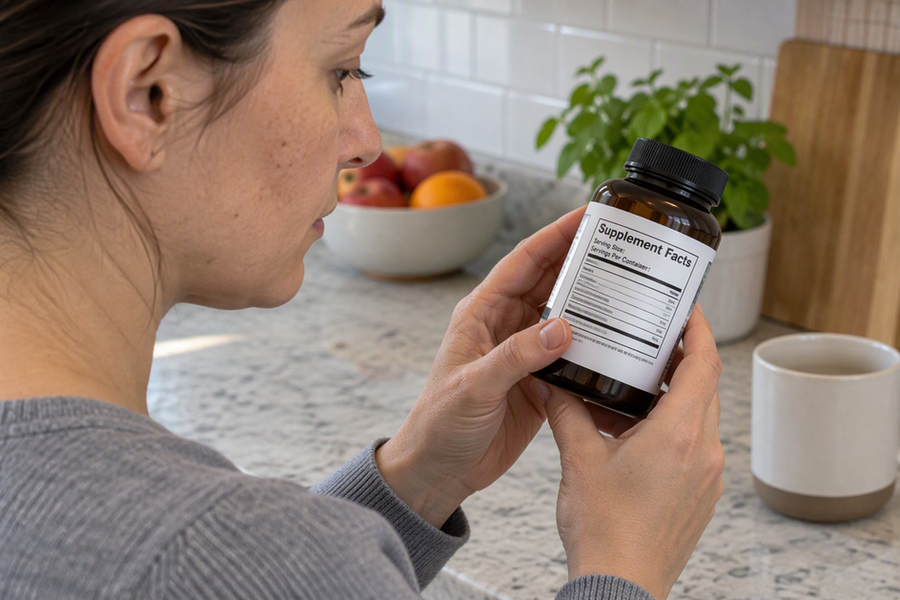
Choose by elemental magnesium, ingredients, serving size, and current availability, not by a guaranteed-sleep claim. Our multi-strength magnesium glycinate capsules support different compound-strength preferences, while our Albion TRAACS glycinate capsules offer several bottle counts. Compare current options in our magnesium and sleep support collection, then use our elemental magnesium label guide to interpret the Supplement Facts panel.
What Can Change the Sleep Choice?
The reason for poor sleep can matter more than the magnesium form. A person with low dietary magnesium intake may respond differently from someone whose intake is already adequate. The 2025 trial found a larger apparent benefit in an exploratory subgroup with lower baseline dietary intake. That result did not prove that a supplement will identify or correct deficiency.
Another health goal can also change the choice. Magnesium citrate may be more useful when bowel regularity is part of the plan, but its digestive effect does not make it a better sleep aid. Interest in L-threonate may make sense when cognition is also a goal, yet current evidence does not prove it produces better sleep than glycinate.
Persistent sleep problems need more than a form comparison. Loud snoring, gasping, unsafe daytime sleepiness, restless legs, pain, medication effects, or long-lasting insomnia can point to causes that a supplement will not resolve. These signs call for clinical evaluation rather than repeated changes in magnesium type.

Which Magnesium Is Best for Anxiety?
No magnesium form is proven best for anxiety. Human studies provide possible signals for magnesium supplementation in some groups, but they do not establish glycinate, citrate, oxide, threonate, taurate, or another salt as the most effective anxiety option.
A 2017 systematic review included 18 studies in people vulnerable to anxiety, including mildly anxious, premenstrual, postpartum, and hypertensive groups. Some studies reported improvements, but the review rated the overall evidence as suggestive and poor quality. Populations, magnesium forms, doses, and added ingredients varied.
A 2024 systematic review found that five of seven anxiety studies reported improvement in at least one self-reported outcome. That result still cannot name a best form. Only 15 studies met the review's full criteria for anxiety or sleep, interventions differed, sample sizes were often small, and some formulas included other active ingredients.
The best-supported conclusion is about uncertainty, not a specific salt. Correcting inadequate magnesium intake may be reasonable, and a tolerable form makes consistent use easier. Those points do not show that one attached compound has a form-specific anti-anxiety effect.
What Can Change the Anxiety Decision?
The type and severity of anxiety change the next step. Temporary tension before a stressful event is different from persistent anxiety that causes avoidance, panic, sleep disruption, or difficulty working and maintaining relationships.
The National Institute of Mental Health defines anxiety disorders as more than occasional worry or fear. Symptoms may continue, worsen, and interfere with daily life. Magnesium should not replace assessment, psychotherapy, prescribed medication, or another established treatment for an anxiety disorder.
When anxiety is the main concern, start by asking whether magnesium intake is inadequate, whether a medicine or medical condition affects magnesium status, and whether the chosen form is tolerable. If symptoms are persistent or impairing, choosing a different salt is not the main decision. Professional evaluation is.
Which Magnesium Is Best for Sleep and Anxiety?
No single form is proven best for both. If sleep is the primary goal and anxiety is secondary, magnesium glycinate is a practical choice because it has direct sleep evidence and fits readers who want a non-laxative form. That sleep-based choice does not prove a separate anxiety benefit.
If anxiety is persistent, severe, or impairing, no magnesium form should be treated as a two-in-one solution. Keep the sleep decision and the anxiety treatment decision separate.

Check Dose, Medicines, and Kidney Function
Use elemental magnesium on the Supplement Facts panel when calculating intake. The NIH magnesium fact sheet sets an adult upper limit of 350 mg per day from supplements and magnesium-containing medicines. Food magnesium does not count toward this supplemental limit, and the limit is not an effectiveness target.
Magnesium can reduce the absorption of tetracycline and quinolone antibiotics and oral bisphosphonates. Diuretics and long-term proton pump inhibitor use may also change magnesium status. Ask a pharmacist or prescriber to check the exact product, elemental amount, and timing when you take medication.
Impaired kidney function raises the risk of magnesium accumulation because the body may not remove excess efficiently. Get professional guidance before supplementing if you have kidney disease, are pregnant, use medication, or have persistent sleep or anxiety symptoms. Do not stop a prescribed treatment because you added magnesium.
FAQs about Magnesium
Q1. Does Glycine Prove That Magnesium Glycinate Helps Anxiety?
No. Glycine is the amino acid attached to magnesium in glycinate, but that chemistry does not prove an anti-anxiety outcome. A finished supplement still needs human evidence for the specific population, amount, duration, and anxiety measure being discussed.
Q2. Is Magnesium Glycinate a Sedative?
No. Magnesium glycinate is not classified as a sedative medication. Some users may associate an evening routine with relaxation. The product does not induce sleep like a prescription hypnotic, and drowsiness is not a reliable test of magnesium status.
Q3. Can I Take Magnesium With Anxiety Medication?
It depends on the exact medication and your health. Ask a pharmacist or prescriber to review the magnesium form, elemental amount, other ingredients, and timing. Never reduce or discontinue anxiety medication because you have started a dietary supplement.
Q4. Does a Normal Blood Test Rule Out Low Magnesium Intake?
Not necessarily. Serum magnesium is commonly measured, but it does not closely represent total body stores because most magnesium is inside cells or bone. A clinician should interpret laboratory results alongside food intake, medicines, symptoms, and health conditions.
Q5. What Should I Track If I Try Magnesium?
Track sleep and anxiety separately. Record sleep onset, awakenings, next-day function, anxiety intensity, and daily impairment. Use a set review date, and stop sooner if adverse effects occur or symptoms worsen.
Disclaimer
This article is for educational purposes only and is not medical advice. Dietary supplements are not intended to diagnose, treat, cure, or prevent disease. Ask a qualified healthcare professional before use when health conditions, pregnancy, medication, or dose concerns apply.